
GAFollowers
  • News
  • Sports
  • Culture
  • Food
  • Things To Do
  • Georgia
  • Video
No Result
View All Result
GAFollowers
  • News
  • Sports
  • Culture
  • Food
  • Things To Do
  • Georgia
  • Video
No Result
View All Result
GAFollowers
No Result
View All Result
  • News
  • Sports
  • Culture
  • Food
  • Things To Do
  • Georgia
  • Video

New records show wider health risk from 2024 BioLab plume

by GAFollowers
Sep. 29, 2026
in Local, News
Reading Time: 2 mins read
Heavy smoke rising from the Mallory Road recycling-facility fire in South Fulton on September 6, 2026; City of South Fulton photo.

Heavy smoke rising from the Mallory Road fire in South Fulton on September 6, 2026. Credit: City of South Fulton.

Newly uncovered state environmental records are providing a clearer picture of the risks created by the 2024 BioLab chemical fire in Conyers, two years after the plume forced evacuations, school closures and road shutdowns across Rockdale County.

Atlanta News First Investigates reported Tuesday that internal Georgia Environmental Protection Division records estimated dozens of people may have been exposed to chlorine at levels capable of causing severe injury, with a smaller group potentially exposed to levels that could be fatal.
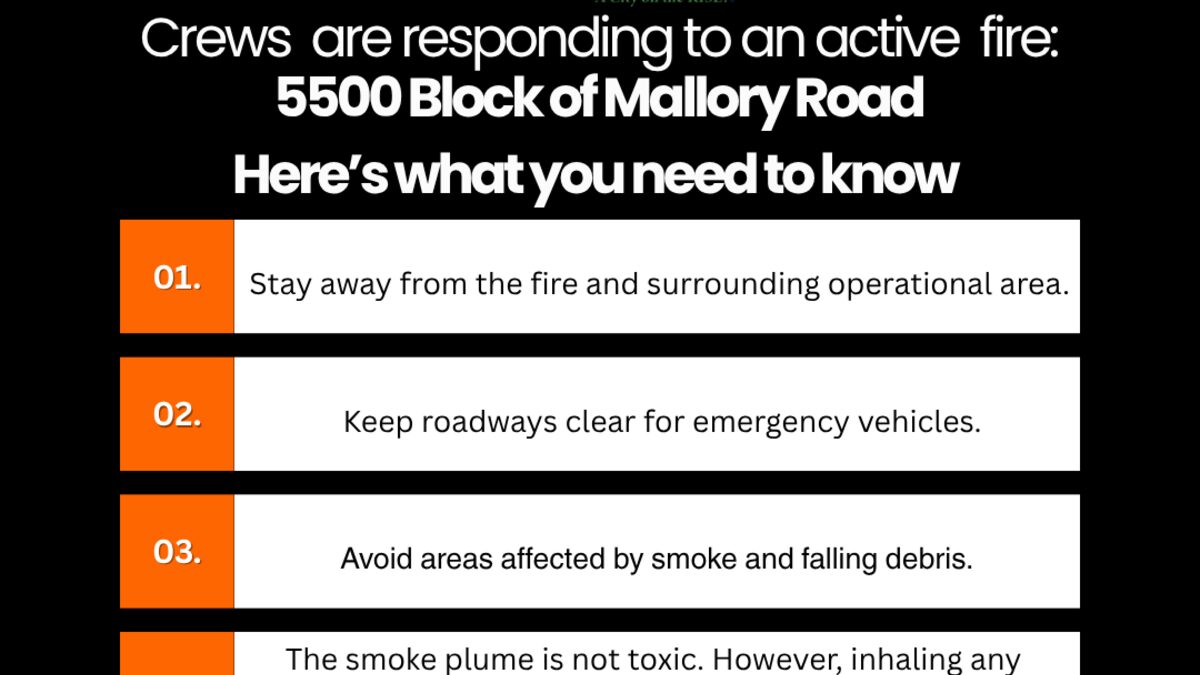
Heavy smoke rising from a South Fulton recycling-facility fire in a file image.
File image: Heavy smoke from a separate South Fulton fire on Sept. 6, 2026. Credit: City of South Fulton. This is not the BioLab fire.

Records describe risk after hours of exposure

The documents say that after eight hours of chlorine exposure, 27 people were estimated to have encountered hazard levels that could possibly cause severe injury. Twenty of those people may have faced levels capable of causing death. The records also identified at least 59 people exposed to hazardous effects from soot.

ADVERTISEMENT

A Georgia Tech study cited in the investigation found significant chemical levels as far as Midtown Atlanta, about 27 miles from the Conyers facility. Researchers detected chlorine as expected, along with elevated bromine compounds.

What caused the fire

The U.S. Chemical Safety Board concluded that water from a corroded, leaking sprinkler reached water-reactive pool chemicals, triggering the fire and toxic gas release. The federal investigation also found earlier inspections had identified corrosion in parts of the sprinkler system.

Several residents have filed lawsuits alleging health effects connected to the release. Those claims remain contested, and public-health experts quoted by Atlanta News First cautioned that linking a specific cancer diagnosis directly to a single exposure can be difficult. BioLab says it completed cleanup of the affected site and has ended operations in Conyers.

The new records add detail to the known exposure risk while lawsuits and long-term health questions continue through the courts and medical research.
ShareTweet

More from GAFollowers

Traffic signals, crosswalks and sidewalks at Peachtree and Decatur streets in downtown Atlanta in 2013
Local

Atlanta opens 2040 transportation plan to residents’ ideas

September 30, 2026
6 Reasons To Run Atlanta’s Finest 5K
News

Atlanta will be the first U.S. stop for the 2028 Olympic torch relay

September 30, 2026
Blue police lights illuminated at night
Crime

Autopsy shows Smyrna dismemberment victim was also shot in the head

September 30, 2026
GAFollowers

Everything Georgia.

Get This Week in Georgia

Explore

NewsSportsCultureFoodThings To DoGeorgia

Company

AboutAdvertise with GAFollowersContactPrivacy Policy

Follow

© 2026 GAFollowers. All rights reserved.

GAFollowers

Everything Georgia.

Get This Week in Georgia

Explore

  • News
  • Sports
  • Culture
  • Food
  • Things To Do
  • Georgia
  • Video

More

  • Politics
  • Business
  • Music
  • Travel

GAFollowers

  • About
  • Advertise
  • Contact
  • Privacy Policy

© 2026 GAFollowers. All rights reserved.

Loading Comments...